Guides ·
Best Wine Tasting in Crete (2026): Wineries from €15

Wine tasting in Crete is best done at the source: a family winery in the hills, a short flight of native grapes, a plate of local food and a host who grew up with the vines. This guide covers the tasting itself — what a visit actually looks like, what a flight costs, which grapes to ask for and which estates and areas you can realistically get to. Prices run from a 15 euro flight of five wines to premium food-led experiences around 160 euros. If what you are really planning is the day out — pickup, routes, guided transport — we compare all of that separately in our guide to the best wine tours in Crete.
What a Wine Tasting in Crete Is Really Like
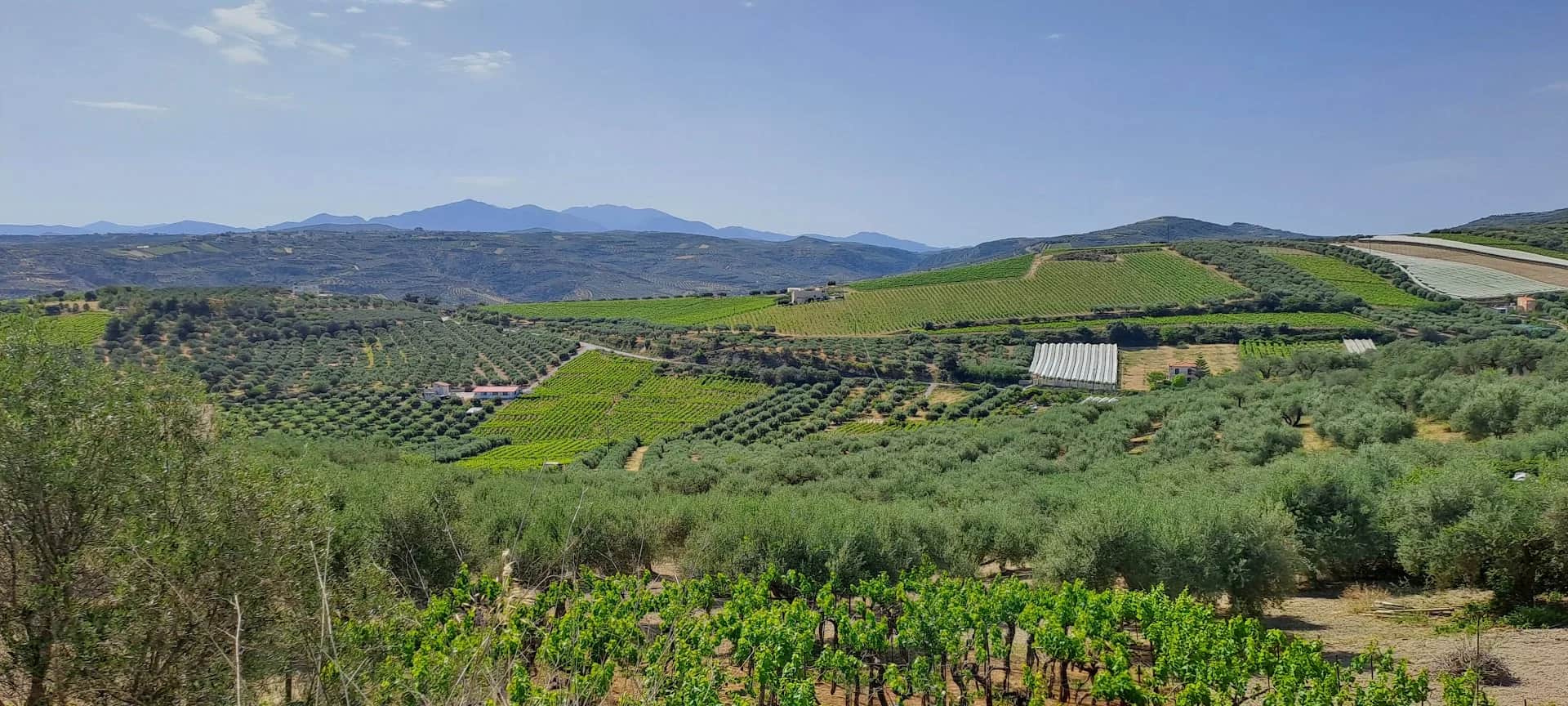
Crete is usually introduced through beaches and villages, but wine belongs in the same conversation. The island has one of the strongest wine traditions in Greece, with vineyards spread across inland hills and family estates that are easy to reach from Heraklion and Chania.
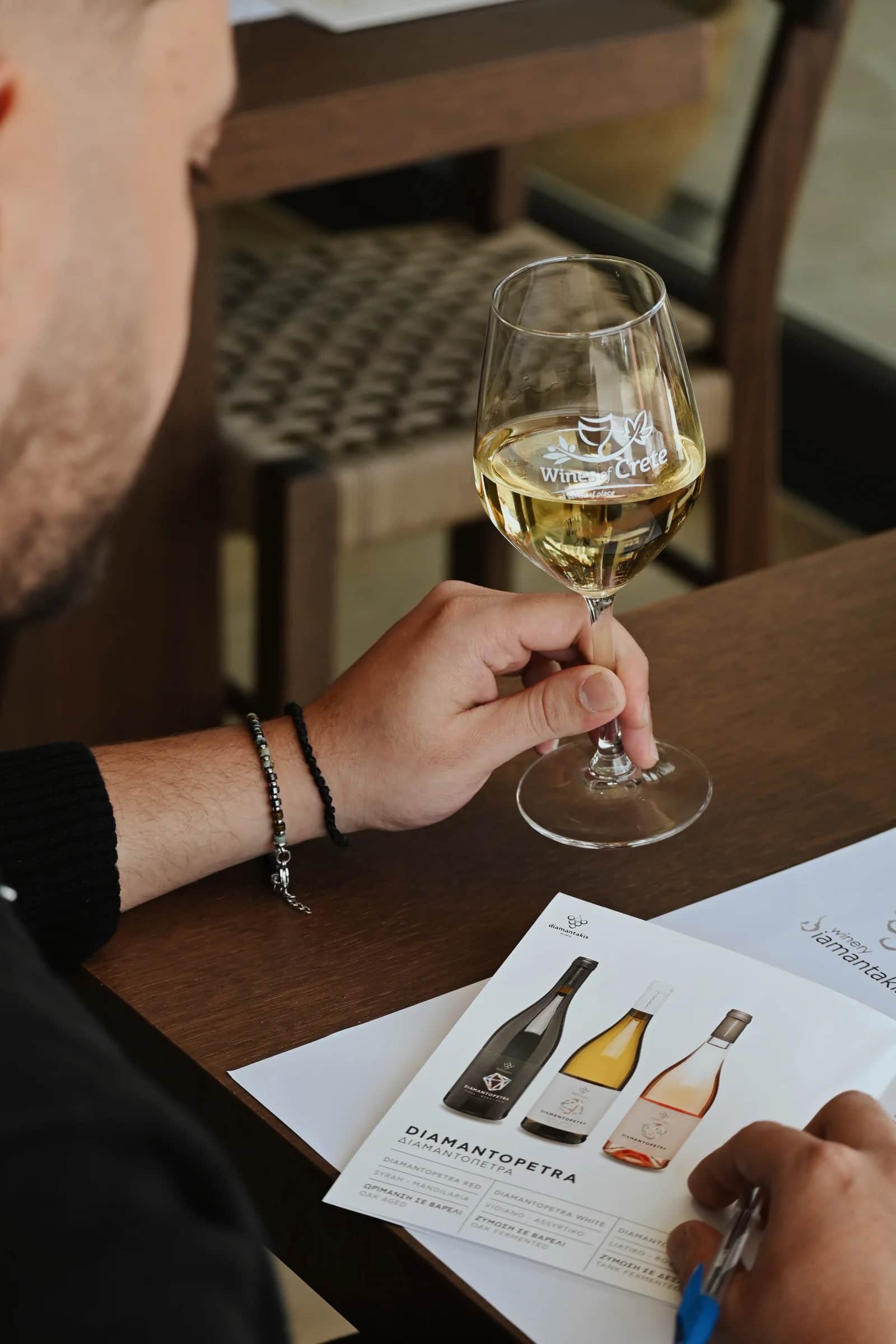
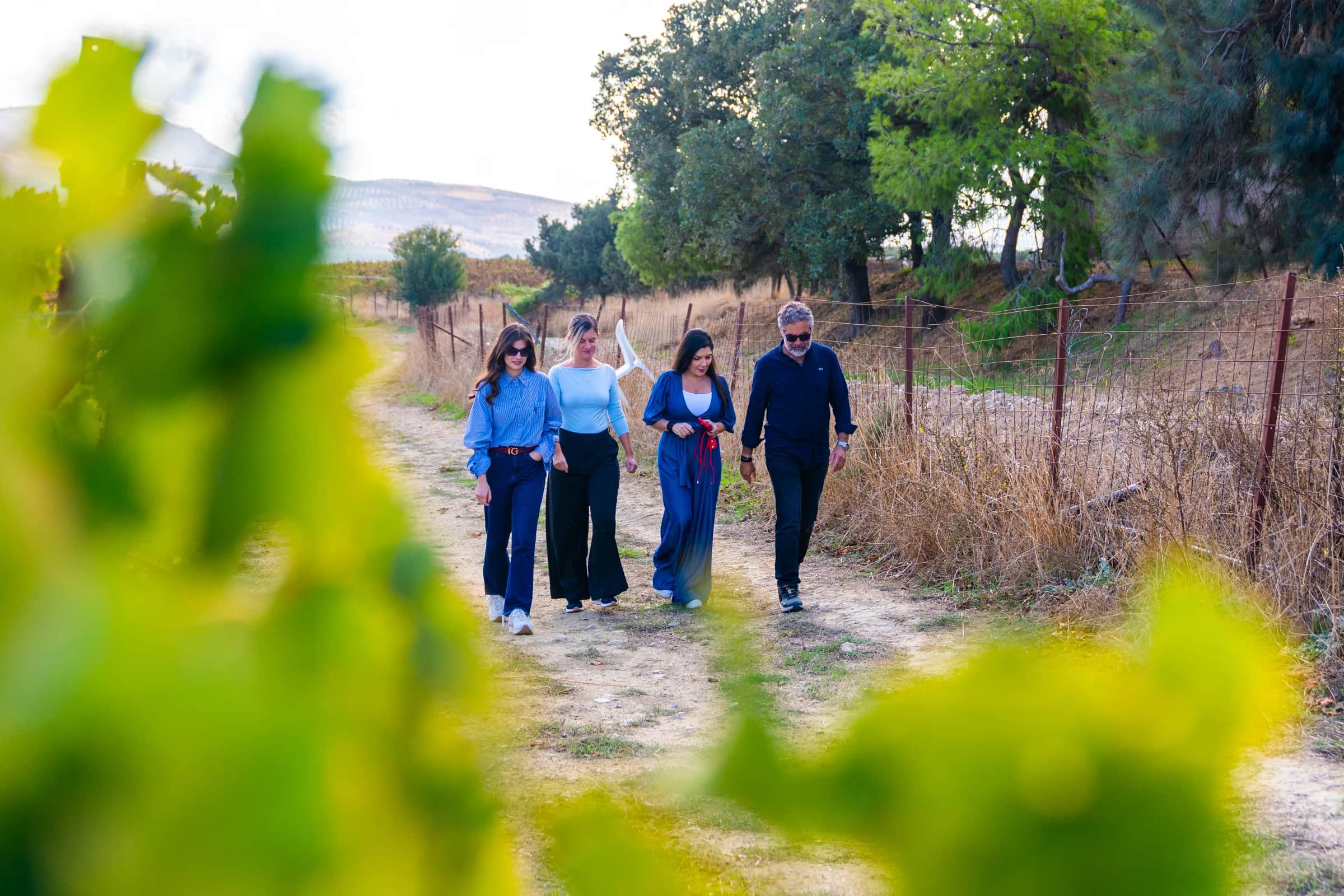
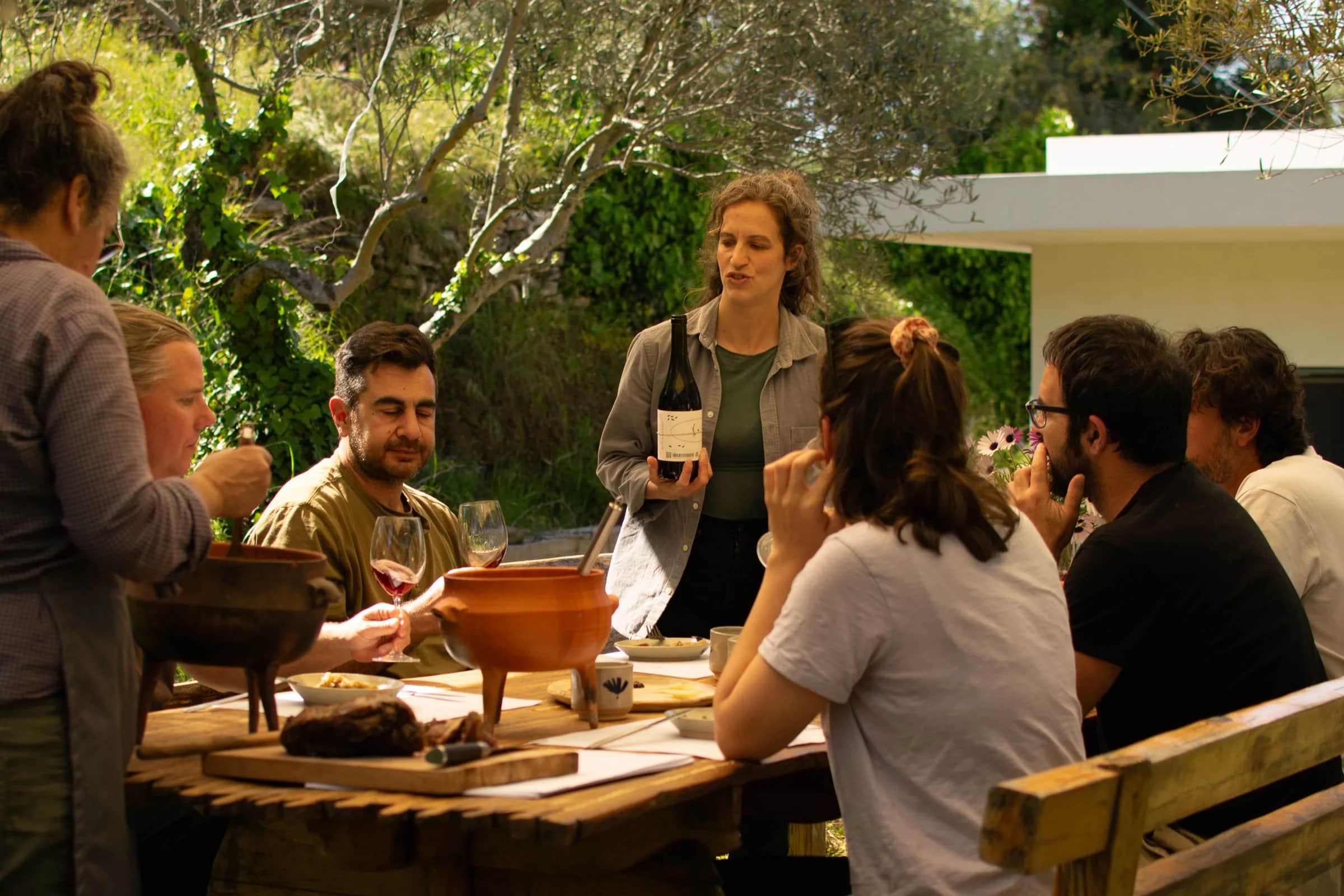
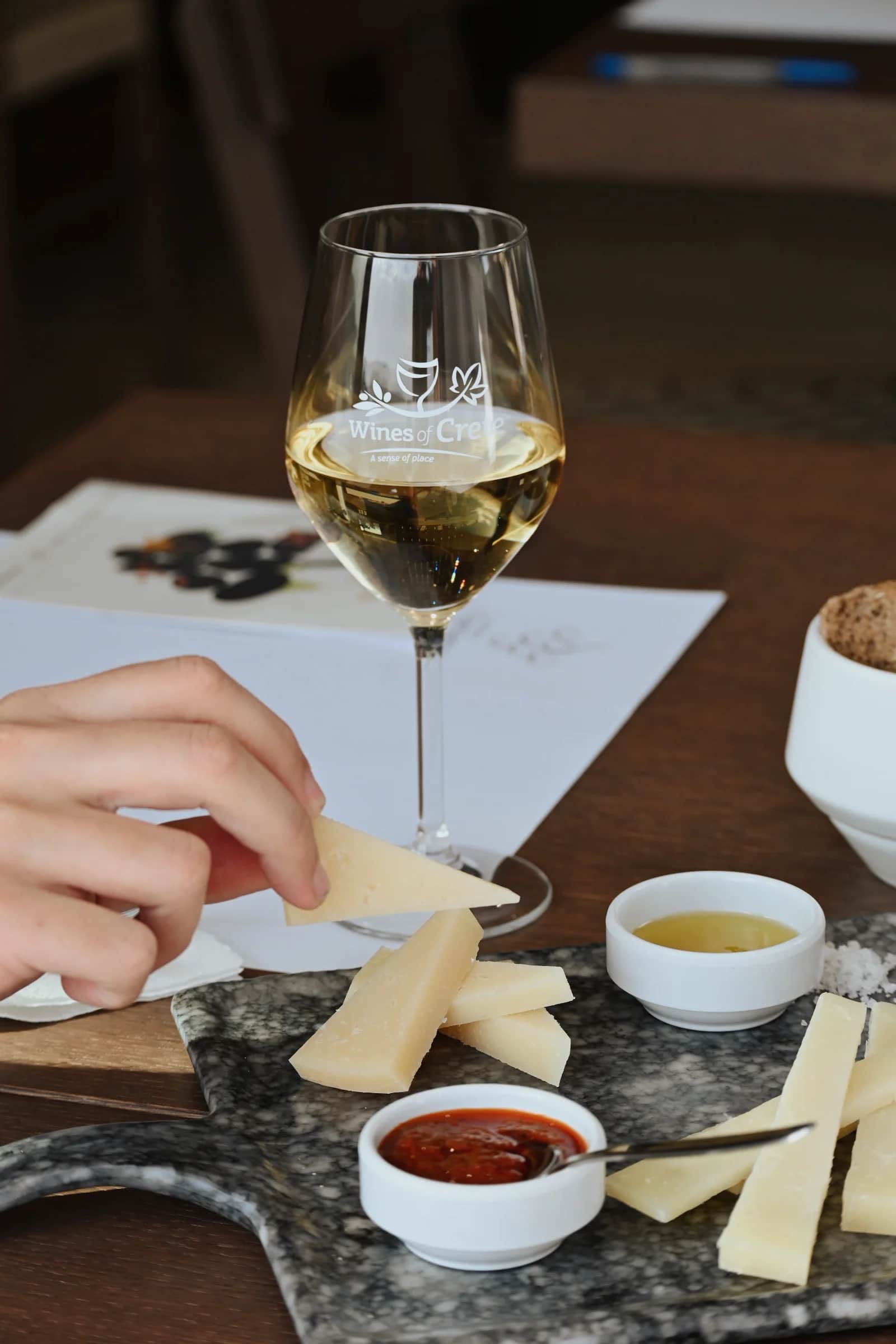
Wine tasting here is not a formal, distant affair, and it is rarely a quick pour. At its best it feels like a slow introduction to the countryside. You leave the coast, pass olive groves and low hills, arrive at a winery and start to understand how much of Crete's identity is tied to the land. A typical experience includes a short walk through the estate, a look at the cellar or production area, a guided tasting of several wines and small plates of local products. Cheese, olives, dakos, rusks and olive oil often appear on the table.
That is what makes it different from a tasting in a city wine bar. You are not only drinking Cretan wine. You are seeing where it comes from, listening to the people who make it and tasting it next to the food it was built to sit beside. You do not need to be an expert. You only need curiosity and enough time to slow down.
Choosing a Tasting by Grape
The most interesting thing about wine tasting in Crete is the grape conversation. While many Greek islands rely on a handful of well-known names, Crete has a long list of local varieties that give the island its own voice — and the grape list is a good way to choose between tastings.
Vidiano is the grape many visitors remember first, and our dedicated Vidiano guide unpacks its styles and pairings. It often gives whites with stone fruit, herbs and a fuller texture than a light summer white. Vilana is another important white, usually fresher and easier to drink with seafood, salads and simple Cretan dishes, while Thrapsathiri can bring more body. Dafni adds an aromatic, almost herbal character that surprises first-time tasters. Our guide to Cretan white wine grapes takes all of them one by one, including the rare Plyto and Muscat of Spina and which appellations allow them.
For reds, Kotsifali and Mandilari are the two names worth knowing. Kotsifali tends to be softer and more aromatic, while Mandilari brings colour, structure and tannin, which is why they are often blended together. You may also meet Liatiko, an old Cretan grape that produces both elegant dry reds and serious sweet wines.
What makes these varieties exciting is that they are not designed to taste like every international wine. They carry the island's heat, soil and food culture. A good host explains all of this without making it feel technical, building the tasting around the island's own grapes rather than imported reference points.
If you want to taste these grapes side by side, the Petradias Collection is a flight built entirely around indigenous Cretan varieties.
Tastings with real island character
Wine Culture and Cretan Identity
Wine has been part of Crete for thousands of years. The story reaches back to the Minoan period, when vines, olive trees and trade helped shape daily life, especially around central Crete. Ancient storage vessels and trade routes point to a society where agricultural production was deeply organised, and wine continued to develop through the Roman, Byzantine and Venetian periods.
This history matters because wine in Crete is not treated as a luxury for special occasions. It belongs at the table, with lamb, dakos, greens, snails, cheese pies and long meals that unfold slowly. Many Cretan families still have a practical relationship with it. It is made, shared and served with food.
Modern wineries have taken that older identity and made it more polished. Over the last few decades, producers have invested in native grapes, better vineyard work and visitor-friendly tasting rooms. You can visit a contemporary winery with a sleek tasting space, then drive ten minutes to a village where wine still feels like part of everyday rural life. That contrast is one of the reasons wine tasting in Crete works so well. You taste the history in a glass, but you also see how it continues in today's vineyards.
How a Cretan Winery Visit Usually Works
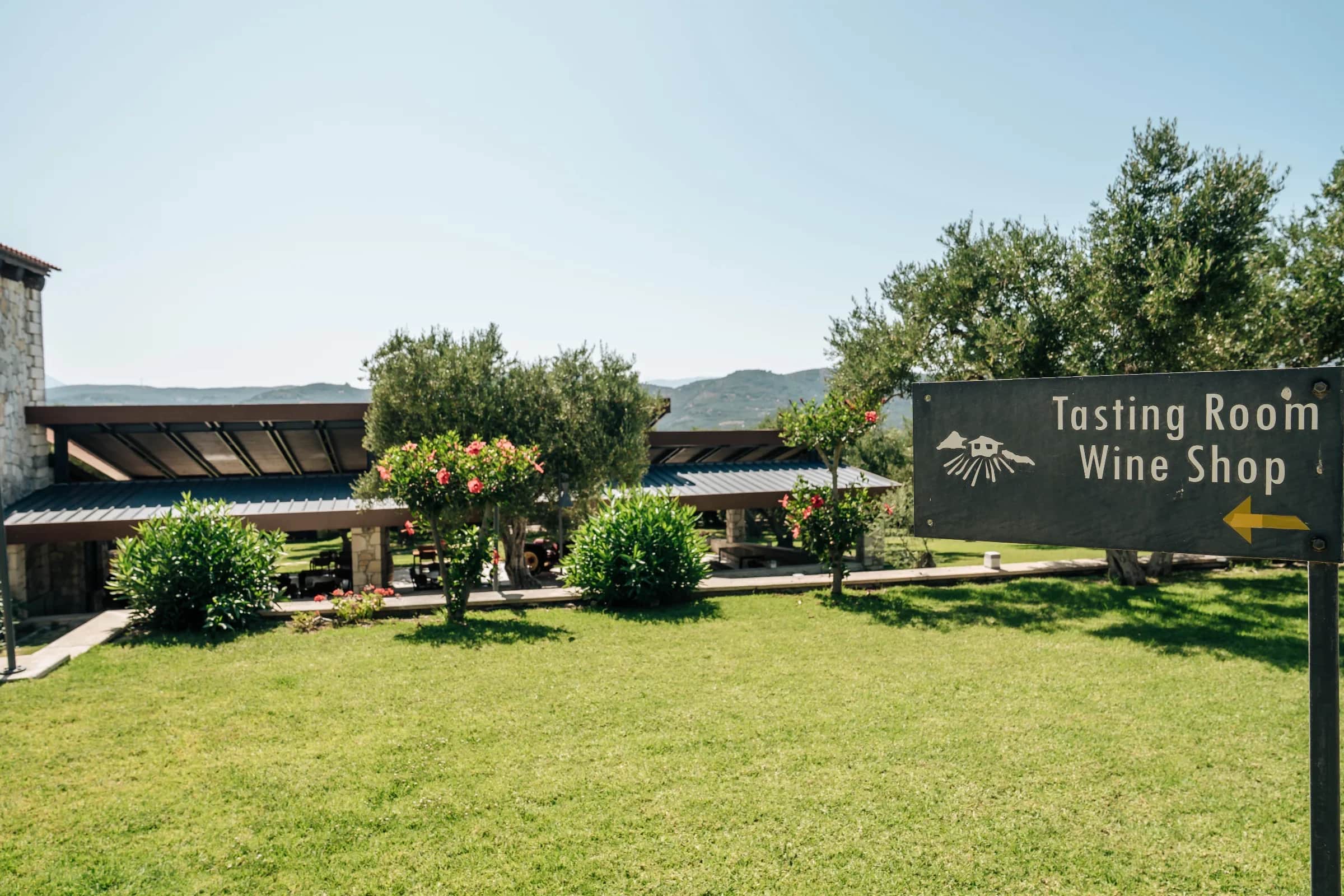
A winery visit in Crete usually lasts from 60 minutes to about three hours, depending on the format. A shorter visit may be a welcome, a few words about the estate and a guided tasting of three to five wines. A longer tour adds vineyards, production areas, a cellar, food pairing and more time with the host. The order often starts with whites, moves to rosé and continues with reds, sometimes finishing with a dessert wine or a limited label.
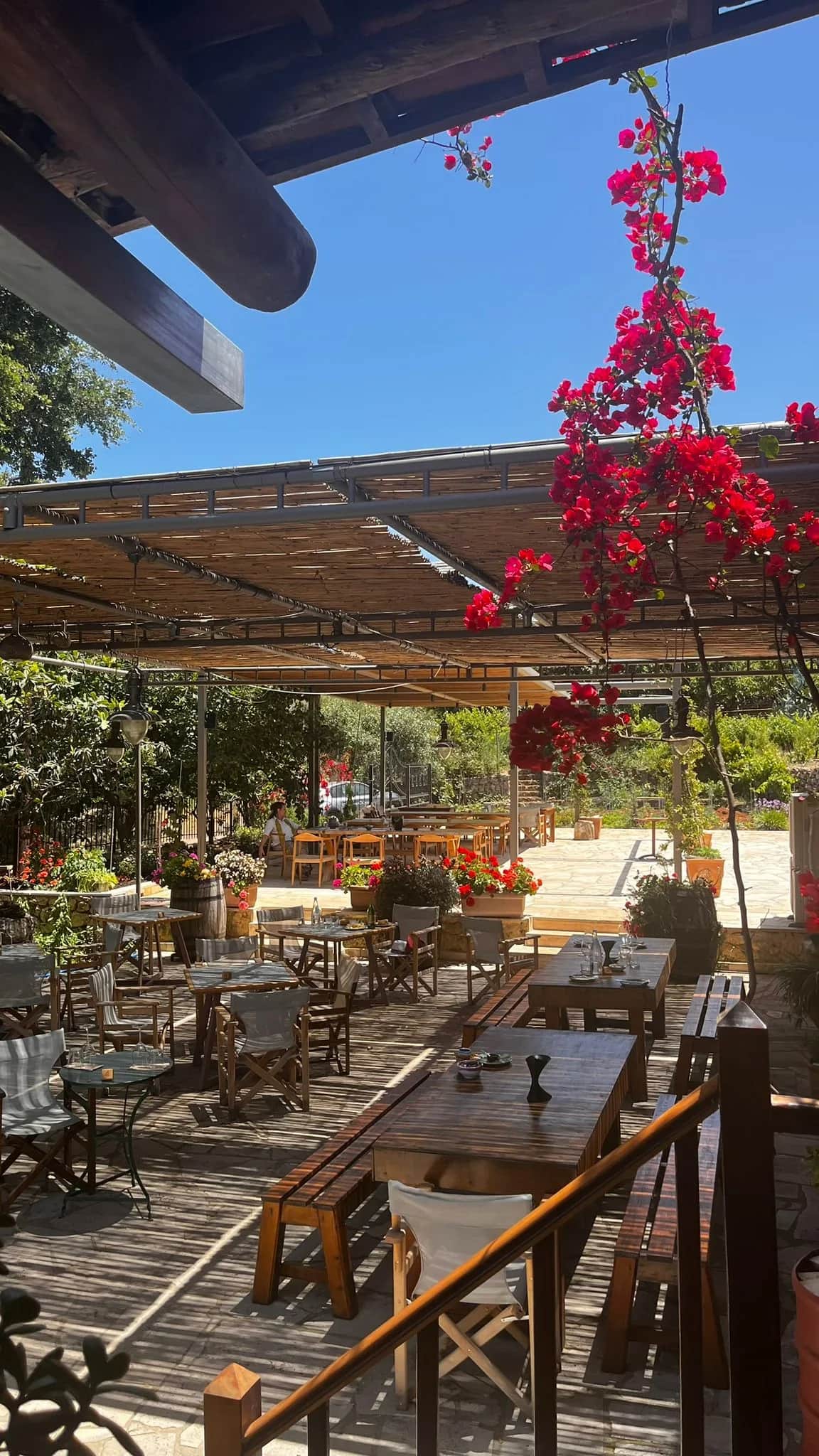
The pace is relaxed and you are not expected to know technical tasting language. Hosts explain the basics in plain terms: the soil, the altitude, the grape varieties, the harvest and how each wine fits with local food. In Crete this detail matters because the landscape changes quickly. A vineyard close to the coast does not behave like one in the inland hills, and altitude can make a real difference. The best tastings are structured but never rushed, so you leave with a clearer understanding of Cretan wine rather than just a list of bottles.
Before booking, check four things: transport, number of wines, food pairing and group size. These matter more than the title of the tour. A lower-priced tasting can be excellent if you have your own car and only want a short visit, while a higher-priced experience may be better value if it includes a knowledgeable guide and a proper food element. If you are starting on a budget, you can compare simple wine tastings in Crete that begin from about 15 euros.
For a first taste of the format, our best overall pick keeps things simple: a relaxed, guided tasting with a view over the vines, close enough to Knossos to fold into a history morning.
The Wineries You Can Visit, Area by Area
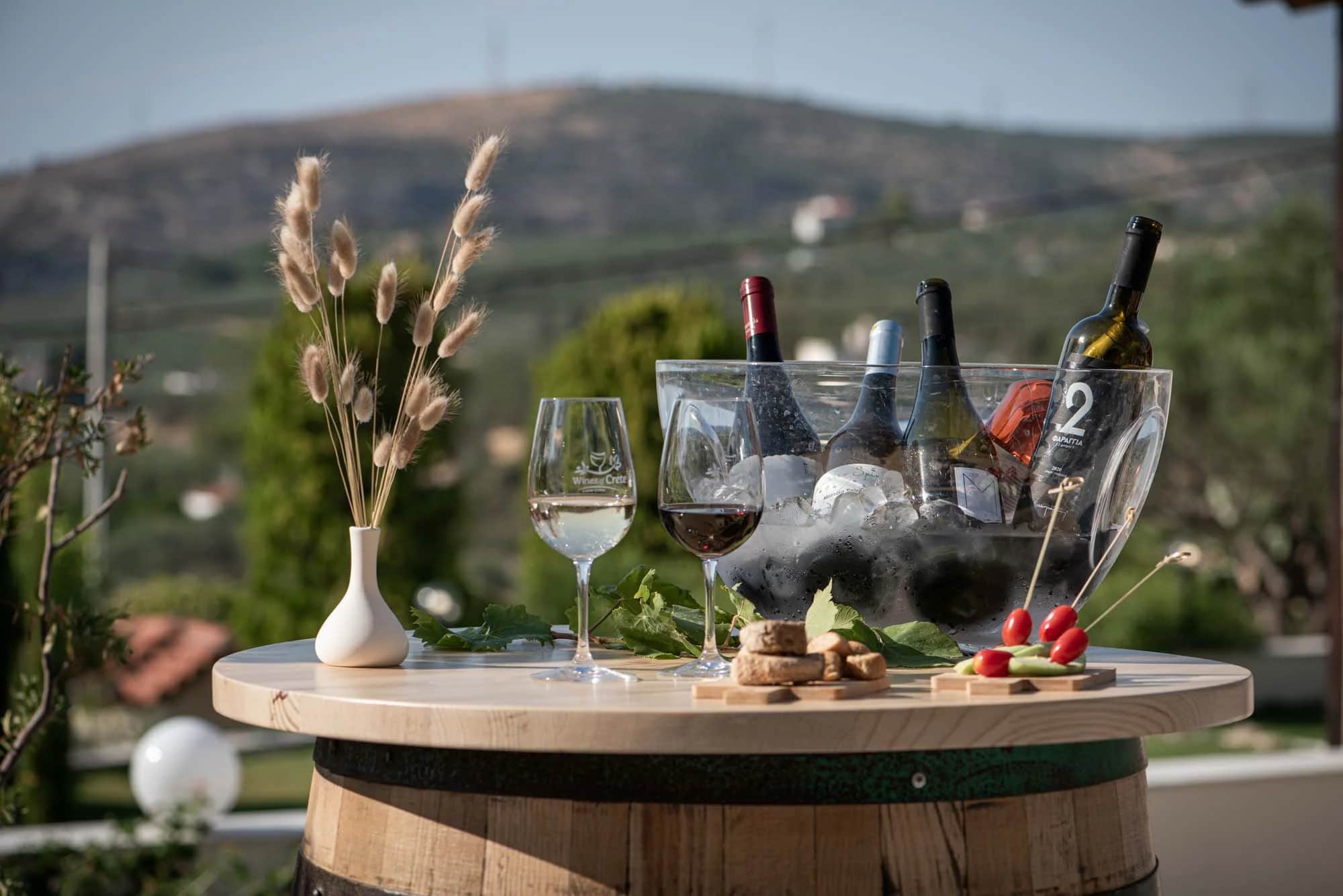
Heraklion is the centre of the island's wine region. The inland areas south of the city, especially Dafnes, Archanes and Peza, hold some of Crete's most established wineries, all within easy reach of the city, the airport and Knossos. This makes Heraklion the easiest base for travellers who want to add a winery visit without spending a full day on the road. Archanes is a strong village alternative if you want to stay closer to the vineyards, with a slower pace and good food.
Chania offers a different mood. The wine routes in western Crete, particularly around Kolymvari, are more scenic and slower, with countryside roads and tastings that combine well with lunch or a relaxed afternoon away from the old town. The west is also the only part of the island where the native red Romeiko is common, and its estates sit in two clusters pointing opposite ways — we walk through both in our guide to the wineries near Chania. There is also a premium flight of seven wines in Chania for tasters who want more range in one sitting. Rethymno works as a middle base between the two sides, with one well-known wine and olive oil lunch that starts from there. You can see every tasting we list, grouped by area, if you want to match a venue to your base.
The best winery visits are not always the most polished. A small family estate can be as memorable as a larger winery with a professional tasting room. What matters is the host, the clarity of the tasting and whether the experience helps you understand Cretan wine rather than simply taste it — a tasting devoted to Chania's small winemakers makes exactly that point.
Food, Bars and Tavernas
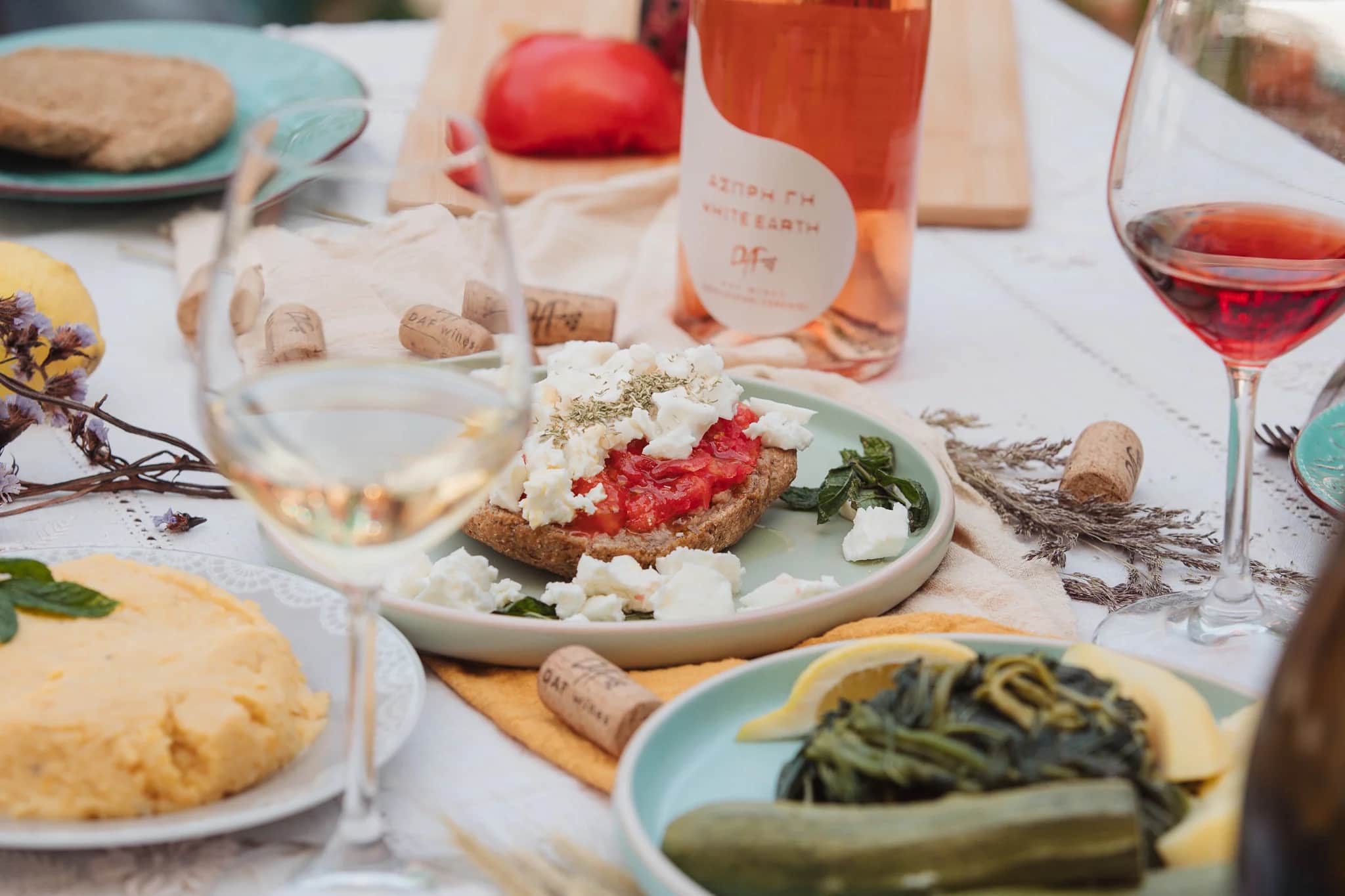
Cretan wine belongs with food, so the best tastings give you something to eat. This does not have to be a large meal. A few thoughtful pairings can be enough. Local cheese, barley rusks, olives, olive oil, smoked meats, tomato, herbs and small pies all help the wines make sense.
White wines such as Vidiano or Vilana work beautifully with seafood, grilled vegetables, fresh cheese and salads. Rosés suit many Cretan dishes because they handle herbs, tomato and olive oil without feeling heavy. Reds made with Kotsifali, Mandilari or Liatiko are better with lamb, pork, aged cheese and slow-cooked dishes.
After a winery visit, continue the day in a taverna rather than rushing back to the hotel. This is where the tasting becomes part of the trip. Order a few dishes to share and ask for a local bottle from the area. In Heraklion, wine bars are a good evening option, and in Chania and Rethymno the old town settings make them more atmospheric. Wine tasting also pairs naturally with olive oil, since the two explain the two main pillars of Cretan agriculture — the wine and olive oil tasting with lunch from Rethymno brings both to one table.
Food-led tastings to compare
History, Knossos and a Glass of Wine
Wine and archaeology meet naturally in Crete, especially around Heraklion. Knossos is the obvious starting point. It is not a winery, but it helps you understand the scale and sophistication of ancient Crete. After Knossos, a winery visit feels less like a pleasant countryside stop and more like a continuation of the island's story, moving from palace ruins and ancient storage systems to vineyards that still depend on the same relationship between land, climate and craft.
The Heraklion Archaeological Museum adds even more context, holding some of the most important Minoan finds in Greece. Pairing the museum with a winery visit makes one of the strongest cultural days on the island. You do not need to turn a wine day into a history-heavy itinerary, though. One archaeological stop is enough. Start with history in the morning, continue inland for wine tasting, then finish with dinner in Heraklion or a nearby village.
If you would rather have the two threads woven together by a host, there is a private route that does exactly that.

Best Time to Visit
The best time for wine tasting in Crete is April to June and September to October. Spring brings green landscapes, wildflowers and comfortable temperatures. Early autumn is especially interesting because it sits close to harvest, when wineries are active and the vineyards feel alive.
Summer is still possible, but the heat changes the rhythm of the day. If you visit in July or August, choose a morning tasting or a late-afternoon slot and avoid too many outdoor stops in the middle of the day, especially if the visit includes vineyard walking. Winter is quieter, with reduced hours at some wineries, but a private or pre-arranged tasting can feel more personal and suits travellers who care more about wine and food than beach weather. Weather also shapes what you drink. Fresh whites and rosés feel natural in the heat, while fuller reds and deeper pairings make more sense in cooler months.
Do You Need a Tour, or Can You Just Turn Up?
Most Cretan wineries run tastings by appointment rather than as walk-ins, so book a slot even if you are driving yourself. With your own car, a single estate plus a village lunch makes an easy half-day, and the lower-priced tastings suit that plan well. The catch is obvious: someone has to stay sober behind the wheel.
If everyone wants to taste properly, a guided day with transport solves it — a vineyard wine tour near Heraklion is the classic reference day. We compare pickup logistics, small-group versus private and what a full tour day actually looks like in our separate guide to the best wine tours in Crete, so this page can stay focused on the tasting room.
Where to Stay and the Villa Angle
A wine tasting day is not something to rush between crowded stops. It works better when you have a comfortable base, time to return slowly and perhaps a quiet evening afterwards. This is where a private villa fits well. For travellers staying with our own villa company My Creta Villa, the day can feel less like an excursion and more like a full Cretan rhythm: countryside in the morning, tasting at the winery, local food at lunch and a calm evening back at the house.
Where to stay: private villas in Crete
My Creta Villa — our own villa company
A villa in Heraklion, Archanes or the wider central Crete area makes a wine-focused itinerary easier, especially when you want to combine tastings with beaches, villages and archaeology. It also gives you space to travel with friends or family, store bottles safely and prepare local products for a simple dinner on the terrace, which often becomes one of the most memorable evenings of the trip. If you are planning several experiences during the same trip, returning to one base instead of moving between hotels makes the whole rhythm easier and leaves more energy for slow afternoons in the vineyards.
Final Word
Crete rewards travellers who connect experiences rather than collect stops. A winery visit is not only about the glass in front of you. It is about the road inland, the host who explains the grapes, the food on the table and the way the island changes once you leave the beach behind. For travellers who want to understand Crete through taste, wine is one of the most direct routes in.
Frequently asked questions
How much does wine tasting in Crete cost?
Prices range from simple tastings around 15 euros to mid-range winery tours and food pairings of roughly 50 to 75 euros. Premium tours, lunches and private experiences can reach up to about 160 euros, depending on transfers, food and group size.
Where is the best base for wine tasting in Crete?
Heraklion is the most practical base, with established wineries around Dafnes, Archanes, Peza and near Knossos. Chania, especially around Kolymvari, suits a slower, scenic wine day, and there is one wine and olive oil lunch from Rethymno.
Which Cretan grape varieties should I try?
Look for native whites such as Vidiano, Vilana, Thrapsathiri and Dafni, and reds such as Liatiko, Kotsifali and Mandilari. A good host will explain how each one fits with local food.
What is included in a Cretan wine tasting?
Most experiences include a winery visit, a short cellar or vineyard tour, a guided tasting of several wines, and local food such as cheese, olives, dakos and olive oil. Always check whether transport and a meal are part of the price.
Can I visit a Cretan winery without a tour?
Usually yes, if you have a car, but most estates run tastings by appointment, so book a slot rather than turning up. If everyone in your group wants to taste, a guided tour with transport is the more relaxed option.
Should I book wine tasting in Crete in advance?
Yes, especially in spring and autumn and for private or food-led experiences. Booking ahead secures your slot and lets you arrange transport so nobody has to drive after tasting.