Guides ·
Vidiano Wine: A Guide to Crete's Flagship White Grape
Vidiano wine is made from a native Cretan white grape of the same name, and it has quietly become the island's flagship white. For years it was overshadowed by better-known Greek grapes, but a wave of growers recognised its quality and planted it widely. Today a good Vidiano is the bottle many Cretan producers pour first to show a visitor what the island can do — and if you try one Cretan white on your trip, this is the one to know.
Quick Summary
Vidiano wine is the white that modern Crete is proudest of. The grape was revived from old vineyards near Rethymno and is now planted across the island. In the glass it tends to be soft and stone-fruited, with more texture when it spends time on the lees. You will find it in fresh unoaked styles, richer lees-aged versions and the occasional oaked bottle, plus blends. It pairs well with fish, white meat, cheese and vegetables, and it is the first Cretan white most people should try. For the villages where you can taste it near the city, see our wine tasting in Heraklion guide.
What Is Vidiano Wine
The appeal is balance. Vidiano can give a rounded, fruit-forward white without losing freshness, which makes it easy to enjoy on its own and flexible at the table. It is not a loud, tropical wine or a sharp, austere one. That middle ground, along with its Cretan roots, is why it has spread so quickly from a near-forgotten grape to the name on so many labels.
It also gives winemakers room to work. Because the grape has both fruit and body, it can be made in a simple, fresh style or pushed toward something richer, and it takes gentle winemaking well. That flexibility means two Vidiano wines can taste quite different while still showing the same soft, stone-fruited core, which is part of the fun of getting to know it.
The Story of the Grape
Vidiano was brought back from the edge. It survived in old terraced vineyards near Rethymno, including parcels with self-rooted vines many decades old, at a time when few people were paying attention to it. As Cretan wine rebuilt itself in recent decades, growers looked at these old vines and saw potential rather than a relic.
From those first parcels, Vidiano spread across the island, from Rethymno into central Crete around Heraklion and, in smaller amounts, west toward Chania. Winemakers who champion native grapes made it a priority, and it now stands as the clearest success story of the island's revival. Knowing that history helps explain why producers talk about Vidiano with such pride, since many of them had a hand in saving it.
It is worth remembering how recent all of this is. A grape that was almost lost a generation ago is now the one Cretan producers pour first for visitors, and it is beginning to appear on wine lists well beyond Greece. When you taste it at a cellar, you are catching a native variety at an early, confident stage of its comeback rather than a long-settled classic.
What Vidiano Wine Tastes Like
Most Vidiano leads with soft stone fruit — think apricot and peach, sometimes with a touch of melon or citrus. The texture is usually rounded rather than sharp, which gives the wine a gentle, almost creamy feel even when it is dry. Good examples keep enough freshness to stay lively, so the roundness does not turn heavy.
The style shifts with winemaking. A tank-fermented Vidiano stays bright and fruit-driven, while time on the lees adds body and a subtle savoury depth. Older vines and lower yields tend to give more concentration, and cooler, higher sites keep the wine fresher. Across all of these, the grape keeps a recognisable soft-fruited character that makes it easy to spot once you have tried a few.
Acidity is the quiet reason the grape works. Even in its rounder styles, Vidiano usually holds enough freshness to stop it feeling heavy, so it stays drinkable through a long Cretan lunch. That combination of soft fruit and steady acidity is what growers are chasing, and the best examples make it look effortless.
Styles of Vidiano Wine
Vidiano appears in a few distinct styles, and knowing them helps you pick the right bottle.
Fresh and unoaked
The most common style is fresh, tank-fermented Vidiano meant to drink young. It is bright, fruit-forward and easy, and it shows the grape at its most approachable. This is the version to start with.
Lees-aged and textured
Some producers leave the wine on its fine lees for months, which builds texture and a fuller, more savoury character. These wines feel richer and can take on more serious food. They reward a little patience in the glass.
Oaked and blended
A smaller number of Vidiano wines see oak, which adds spice and weight, and the grape also appears in blends, sometimes with international whites. These styles show a different side of Vidiano, though the pure, unoaked versions remain the clearest expression of the grape.
Where Vidiano Grows in Crete
Vidiano started around Rethymno and remains most strongly associated with that area, where old vines and terraced sites give some of the most respected bottles. It has since spread through central Crete, including the vineyards near Heraklion, and appears in the west around Chania as well.
This wide planting means you can find Vidiano almost anywhere on the island, but the character shifts with site and soil. Cooler, higher parcels tend to give fresher wines, while warmer sites give rounder ones. The rocky, limestone soils common in central Crete suit the grape and help keep the wines lively. If you visit cellars in more than one region, comparing their Vidiano is a simple way to taste how place changes the same grape, and it is one of the most rewarding things you can do on a Cretan wine trip.
Food Pairing with Vidiano
Vidiano is a natural at the table, which is part of why growers like it. Fresh, unoaked versions suit grilled fish, seafood, salads, greens and fresh cheese — the everyday food of the Cretan coast. Richer, lees-aged Vidiano can handle white meat, roast vegetables and creamier dishes without being overwhelmed.
Because the wine keeps its freshness, it works well with the island's olive-oil-heavy cooking, cutting through richness while matching the food's weight. A simple plate of local cheese, tomato and rusks alongside a glass of Vidiano is one of the easiest and most satisfying pairings you can put together in Crete.
For a fuller meal, a lees-aged Vidiano stands up to baked fish, chicken cooked with lemon and herbs, or vegetables in a rich sauce. The grape rarely fights with food, which is why so many tavernas pour it by the glass. If you are unsure what to order with a Cretan dish, a Vidiano is a low-risk choice that suits most of what comes out of the kitchen.
How to Taste Vidiano Wine
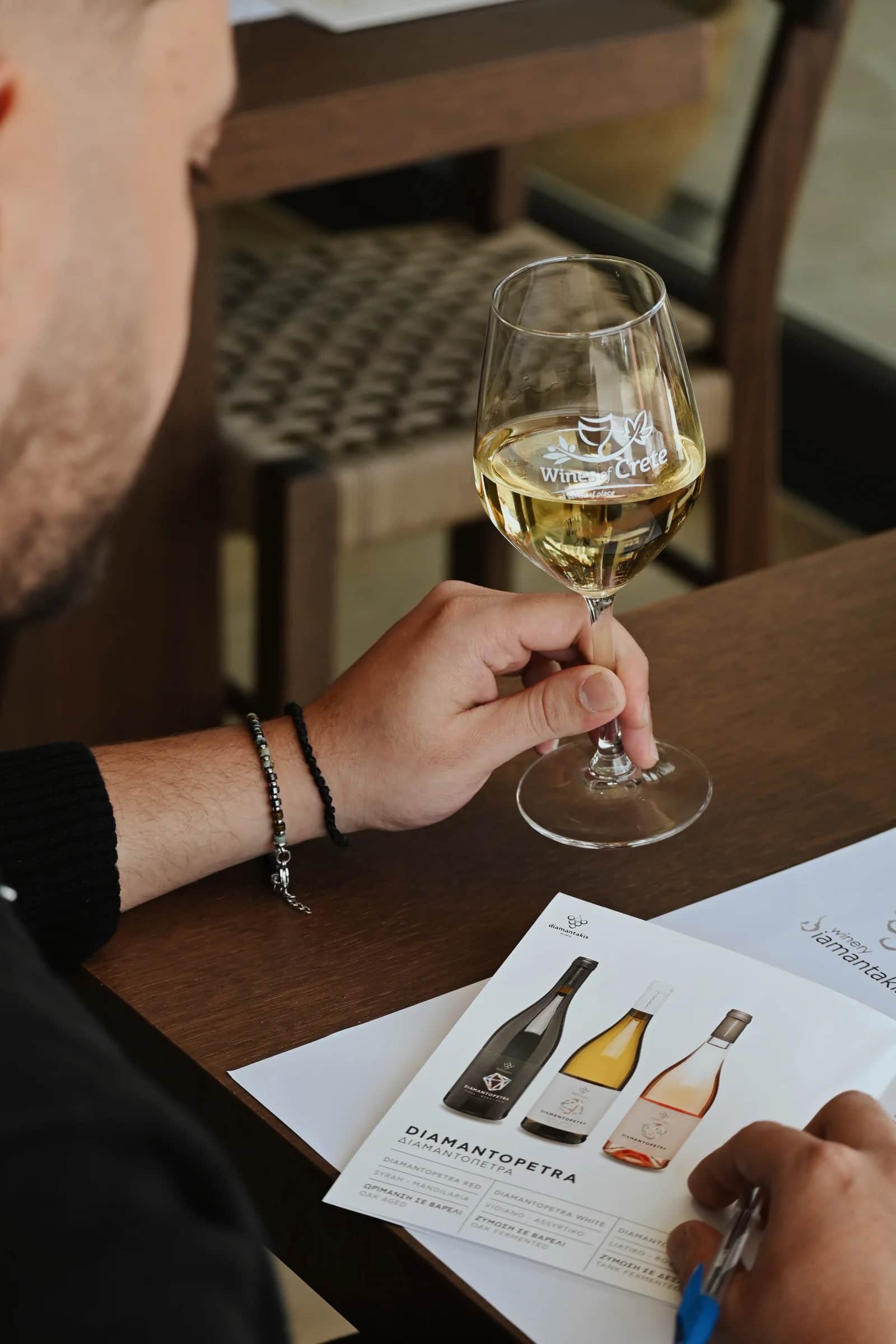
The best way to understand Vidiano is to taste more than one. Try a fresh version next to a lees-aged one, ideally from the same producer, and you will feel how winemaking changes the grape while the core fruit stays the same. Serve it cool but not ice-cold, since an overly chilled wine hides the texture that makes Vidiano special. Give it a few minutes in the glass as well, because a little air brings out the stone fruit and softens any sharp edges, especially in younger bottles.
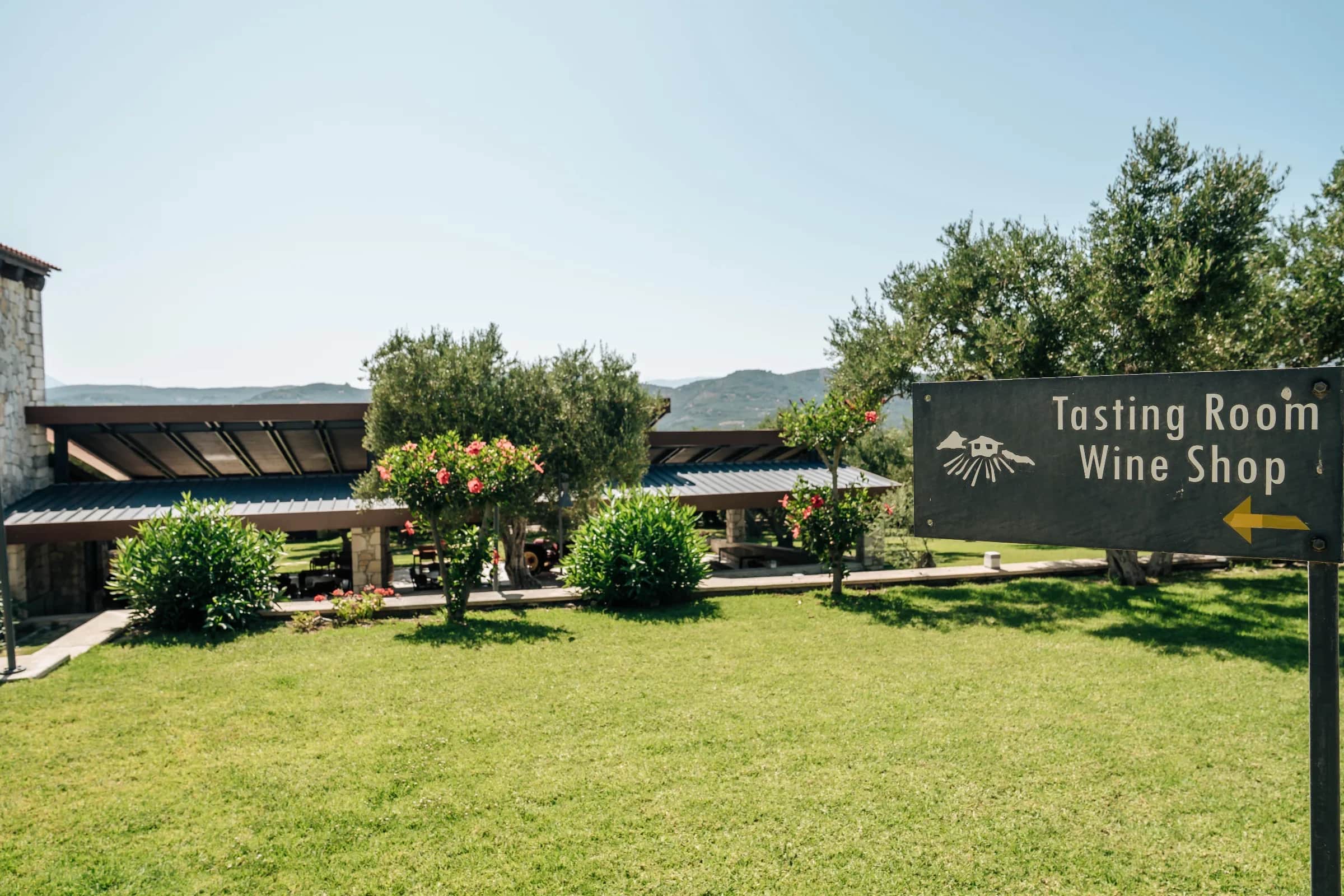
Cellar visits are the easiest place to do this, with someone on hand to explain the styles and pour them in order. If you would rather have the visit and tasting arranged for you, our Heraklion wine tours guide covers the guided days that handle the booking and the driving.

Tastings where you can try Vidiano

How to Choose a Bottle
When buying Vidiano, decide first whether you want the fresh style or the richer one. A young, unoaked Vidiano is the safe choice for easy drinking and food, while a lees-aged bottle suits a bigger meal or a slower evening. The region on the label is a useful clue, with Rethymno bottles carrying the grape's strongest reputation.
If you are unsure, tell the person selling what you enjoyed and they will usually point you well. It also helps to note the producer and region on any bottle you liked, so you can look for the same style again. Buying directly from a cellar you visited is the surest way to take home a wine you liked, since Vidiano can be hard to find outside Greece, and many of the smaller producers sell mostly on the island.
Common Mistakes to Avoid
The first mistake is serving Vidiano too cold, which mutes its fruit and texture. Let it warm slightly in the glass. The second is expecting a sharp, mineral white in the style of some other Greek grapes, since Vidiano is rounder and softer by nature.
The third is drinking only the fresh style and never trying a lees-aged one, which misses half of what the grape can do. The fourth is judging Vidiano by a single bottle, since one producer's version can differ a lot from another's, and a weak example is not the last word on the grape. The last is passing over Vidiano in favour of familiar international whites, when the whole point of drinking here is to taste a grape you cannot easily find at home.
Where to Stay
For a trip built around Cretan wine, staying near the vineyards makes tasting easy. A base around Rethymno puts you close to Vidiano's heartland, while the countryside near Heraklion keeps you within reach of the island's densest cluster of cellars. Splitting a longer stay between the two lets you compare how the grape changes from west to centre. A villa among the vines lets you bring bottles back, keep them cool and open them with local food, which is where Vidiano is at its best, and having a kitchen means you can cook simple dishes to match the wines you collect.
My Creta Villa — our own villa company — lists countryside and coastal villas around Heraklion, an easy drive from the Peza, Archanes and Dafnes wine villages.
Villas near the Heraklion vineyards
My Creta Villa — our own villa company
Vidiano wine: frequently asked questions
Is Vidiano wine sweet or dry?
Almost all Vidiano is dry. It can taste soft and fruit-forward because of its rounded texture, but it is not a sweet wine.
What does Vidiano taste like?
Soft stone fruit such as apricot and peach, with a rounded, gentle texture and enough freshness to stay lively. Lees-aged versions are richer and more savoury.
Where is the best Vidiano from?
The grape is strongly linked to Rethymno, where old self-rooted vines give the most respected bottles, though good Vidiano is now made across Crete, including around Heraklion.
What food goes with Vidiano wine?
Grilled fish, seafood, salads and fresh cheese for the lighter style, and white meat or roast vegetables for richer, lees-aged versions. It rarely fights with Cretan food.
How long does Vidiano wine age?
Most fresh styles are best within a couple of years, while lees-aged and more concentrated bottles can develop for longer. If in doubt, drink the fresh ones young and keep the richer ones a little.
Is Vidiano the same as Assyrtiko?
No. Both are Greek whites, but Assyrtiko is sharper and more mineral and is best known from Santorini, while Vidiano is softer and rounder and is native to Crete.
Final Thoughts
Vidiano wine is the clearest way into modern Cretan white wine. It is soft, food-friendly and rooted in the island, and it carries the story of a grape brought back from near-disappearance. Try a fresh bottle first, then a lees-aged one, pair them with simple local food, and you will see why Vidiano has become the name Cretan producers reach for first. For the tastings and villages that make it easy, our best wine tasting in Crete guide points you to the right cellars, our Liatiko guide covers the island's signature native red, and our guide to Cretan white wine grapes places Vidiano next to Vilana, Thrapsathiri and the rarities it shares a vineyard with.
See all wine experiences in Crete