Guides ·
Liatiko Wine: Crete's Native Red and Where to Taste It
Liatiko wine rewards anyone willing to look past the deep, dark reds that dominate most wine lists. This is a pale, perfumed grape that has grown on Crete for centuries and is found almost nowhere else, and it makes a style of red that feels light on its feet yet full of character. For visitors used to heavier wines, a first glass of Liatiko can be a surprise, because the colour suggests something delicate while the aroma is anything but. This guide keeps things focused on the grape itself: what it tastes like, how the dry and sweet versions differ, where on the island it grows, and how to bring it to the table — a sibling piece to our Vidiano guide on Crete's flagship white.
Quick Summary
Liatiko wine is a pale, aromatic red made from one of Crete's oldest grapes. It ripens early, gives light colour, and shows red fruit, herbs and a soft texture that some tasters compare to lighter Pinot Noir. It comes in two main forms: a dry red and a traditional sweet wine made from sun-dried grapes. Its heartland is the Dafnes appellation near Heraklion — where the dry red must be at least 80% Liatiko and the sweet wines are Liatiko alone — with more grown in the east around Sitia. It pairs well with herb-heavy Cretan cooking, and it is easiest to taste at a winery or over a meal in central Crete.
What Liatiko Is
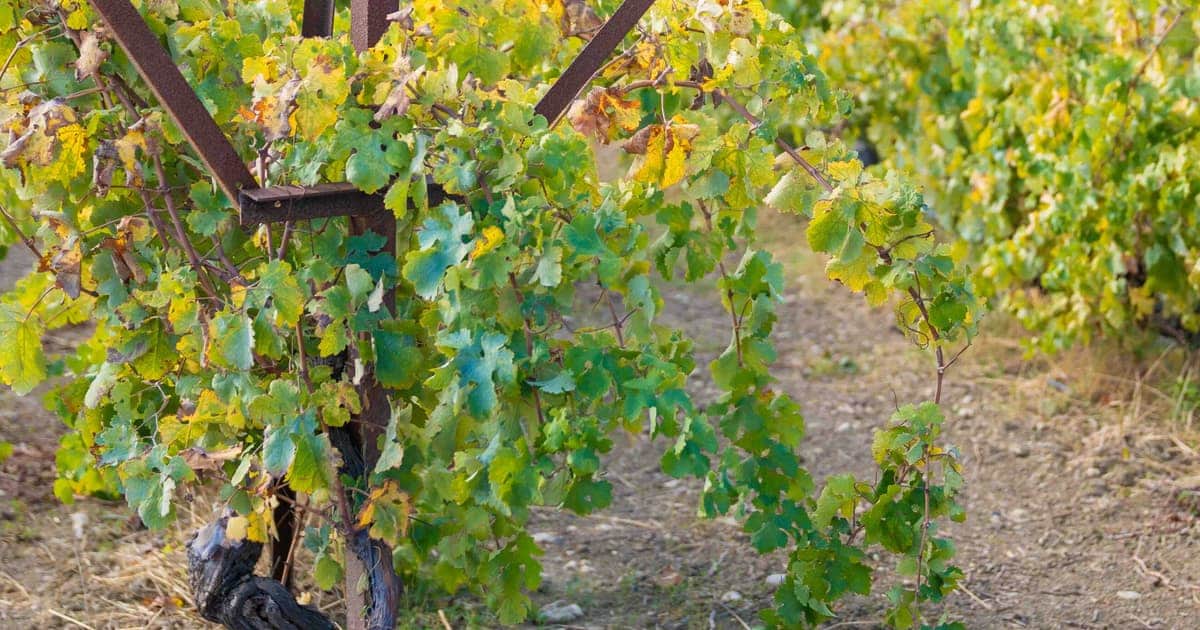
Liatiko is a native Cretan red grape and one of the oldest varieties in Greece, grown almost nowhere else in the world. Its name comes from July: it is the first Cretan grape to change colour, ripening early under the island's strong sun. That early ripening is part of its character — the grape develops sugar and aroma quickly, which is why it has long been used for both dry reds and sweet wines. The same quick ripening means it carries plenty of natural fruit, so even the dry version can taste generous and ripe without being heavy. In the vineyard it gives relatively pale bunches, and in the glass it keeps that lightness, so a Liatiko red rarely looks as dark as its aroma might lead you to expect.
The grape has a long history on Crete, tied to the island's ancient winemaking tradition and to the sweet wines that once travelled across Europe. Today a new generation of producers works with Liatiko in a more precise, modern way, treating it as a serious variety capable of elegant dry reds rather than only a source of sweetness. Where Liatiko was once mainly a rustic local drink or a sweet specialty, it now appears on serious wine lists as a fresh, food-friendly red with real identity.
What Liatiko Wine Tastes Like
In its dry form, Liatiko is light to medium in body, pale ruby in colour, and aromatic, with notes of red cherry, dried herbs, a little spice and sometimes a floral lift. Tannins are usually soft, and the acidity keeps it fresh, which makes it easy to drink slightly cool. The comparison to lighter Pinot Noir is common, though Liatiko has its own Mediterranean, herbal edge that sets it apart. Served slightly cool, it becomes a genuinely refreshing red for the island's warm evenings, which is one reason it has stayed popular with people who live and eat on Crete rather than only with visitors.
The sweet version is a different experience. Made from grapes left to dry and concentrate in the sun, it is richer and higher in sugar, with flavours of dried fruit, raisin and warm spice, while keeping enough acidity to avoid feeling heavy. This is the style that carries the most history — sweet Liatiko was one of the wines that gave Crete its old reputation abroad — and it works beautifully at the end of a meal.
Dry and Sweet Styles
The single most useful thing to know before buying Liatiko is which style you are getting. A dry Liatiko is a table red, meant to go with food across a meal. A sweet Liatiko is a dessert wine, meant for the end of the evening. Both are traditional and both are worth trying, but they are not interchangeable, so check the label or ask the host. Some producers also make lightly oaked dry versions that add a little structure and depth, so even within the dry category there is range to explore. If you are new to the grape, start with an unoaked dry Liatiko to meet its pure fruit and herbs, then try an oaked one to see how a little barrel age changes it.
How Liatiko Differs From Other Cretan Reds
It helps to place Liatiko next to the island's other red grapes. Kotsifali is soft and plummy but usually blended for structure — we give it a guide of its own, since it is the grape behind the Peza and Archanes reds and almost never named on the bottle — and Mandilaria is dark, firm and tannic, again mostly a blending grape. Liatiko stands apart because it is more often made on its own, and because it keeps its pale colour and light body rather than aiming for depth and power. Where a Kotsifali and Mandilaria blend is the classic sturdy Cretan red, Liatiko is the graceful, aromatic alternative, closer in spirit to a cool-climate red despite growing under the Mediterranean sun. Tasting the two side by side is one of the best ways to understand the range of Cretan reds — our Archanes guide covers the village built on that classic blend.
Where Liatiko Grows
Liatiko's spiritual home is Dafnes, a protected appellation on the edge of the Psiloritis mountains, a short drive southwest of Heraklion. Here it is the appellation's whole reason for existing, though the exact rule is worth getting right: the ministry's specification requires the dry red to be at least 80% Liatiko, with up to 20% Mandilaria allowed to firm up its colour, while the sweet styles — vin doux, vin doux naturel and the sun-dried liastos — are Liatiko alone. Several wine references print "100% Liatiko" for the whole appellation; only the sweet half of it is. Our guide to Cretan white wine grapes sets out the same appellation rules on the white side. The zone's higher, rockier ground suits the grape, and it is the easiest place to taste Liatiko close to where it is grown; the drive out from Heraklion is short enough to make it a realistic half-day even on a packed itinerary, as our wine tasting in Heraklion guide lays out.
The other stronghold is the east, around Sitia in the Lasithi region. Here Liatiko appears again in both dry and sweet forms: the red PDO Sitia is mostly Liatiko with a little Mandilaria, and the celebrated sweet PDO Sitia is 100% Liatiko from sun-dried grapes. Sitia is a longer drive from the main tourist bases, so fewer visitors taste Liatiko there, but the wines have their own identity shaped by the hotter, drier eastern climate. Between Dafnes and Sitia you can see how a single grape shifts with its surroundings, from the mountain-edge freshness of Dafnes to the riper, warmer character of the east.
Tastings where you can try Liatiko

Food Pairings for Liatiko
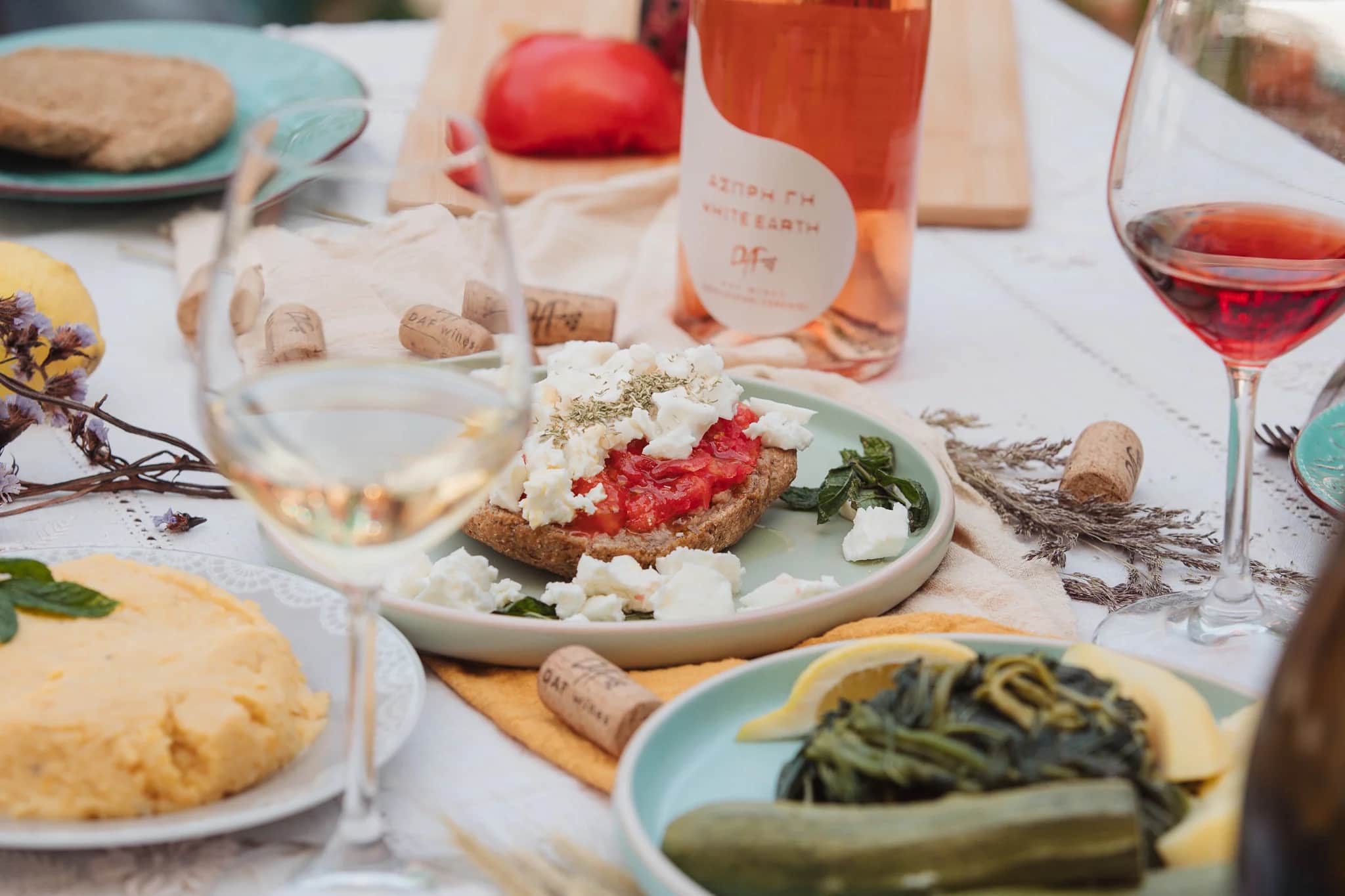
Liatiko is a flexible partner at the table, which is part of why it has stayed on Cretan menus for so long. The dry version suits the island's herb-heavy cooking: lamb with rosemary and thyme, grilled vegetables, tomato-based stews and mild cheeses all work well. Because it is light and can be served slightly cool, it also holds up on a warm evening better than a heavier red. The sweet version belongs at the end of the meal, with nuts, dried fruit, or a piece of hard Cretan cheese, where its concentrated fruit and gentle sweetness round things off. Neither style needs a special occasion, and both are made to sit alongside food rather than dominate it.
Best Time to Taste
Liatiko can be tasted year-round at the larger estates, but the island's wider season shapes the experience. The warm months from May to October are the busiest and easiest for combining a tasting with the rest of a Crete trip. The shoulder months of April and November are quieter and cooler. Because Liatiko ripens early, its harvest tends to come in the warmer part of the season, and a late-summer visit can sometimes catch the grapes being picked or laid out to dry for sweet wine. If you want a calmer tasting with more time to talk to the producer, aim for the shoulder season.
How to Try Liatiko Wine
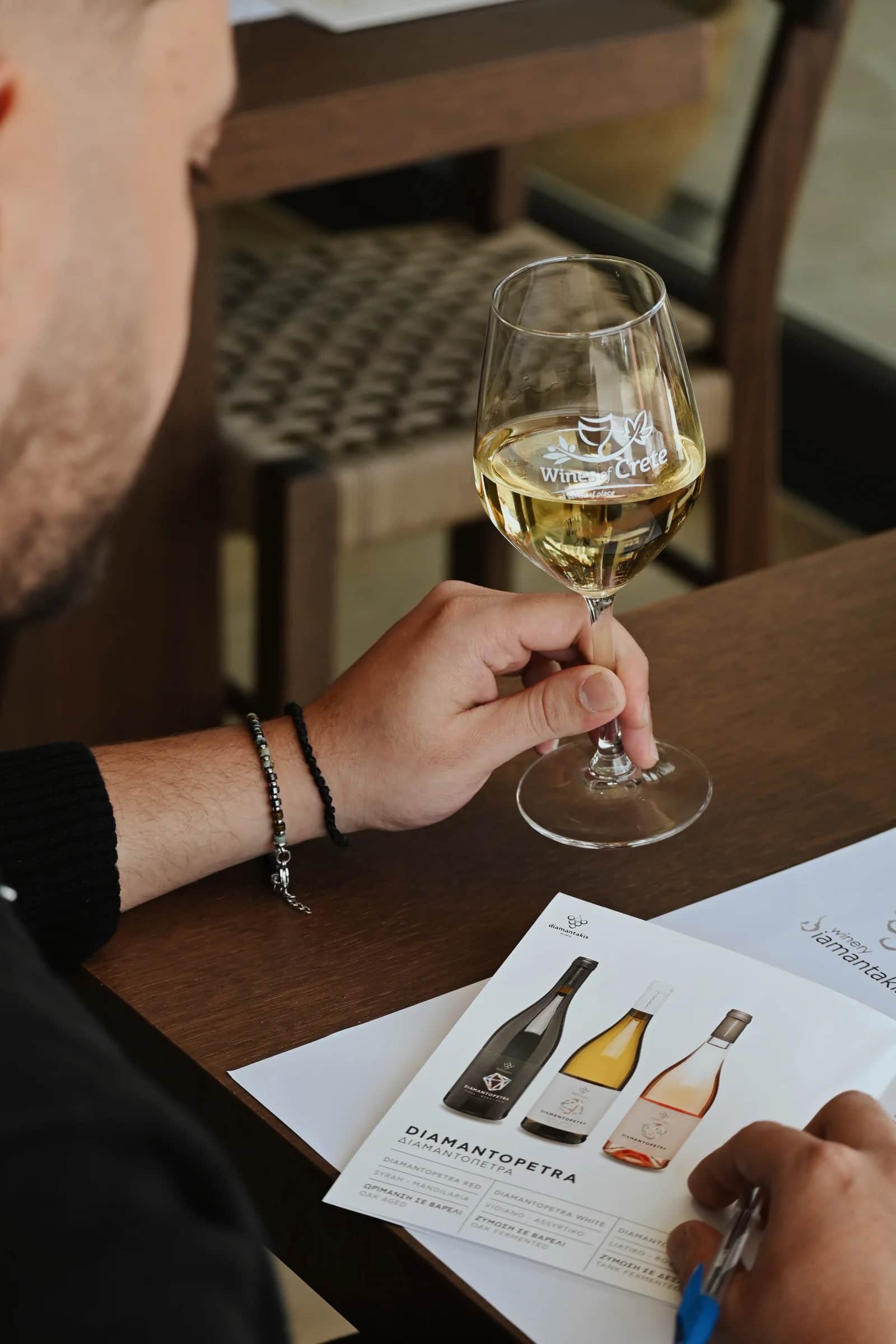
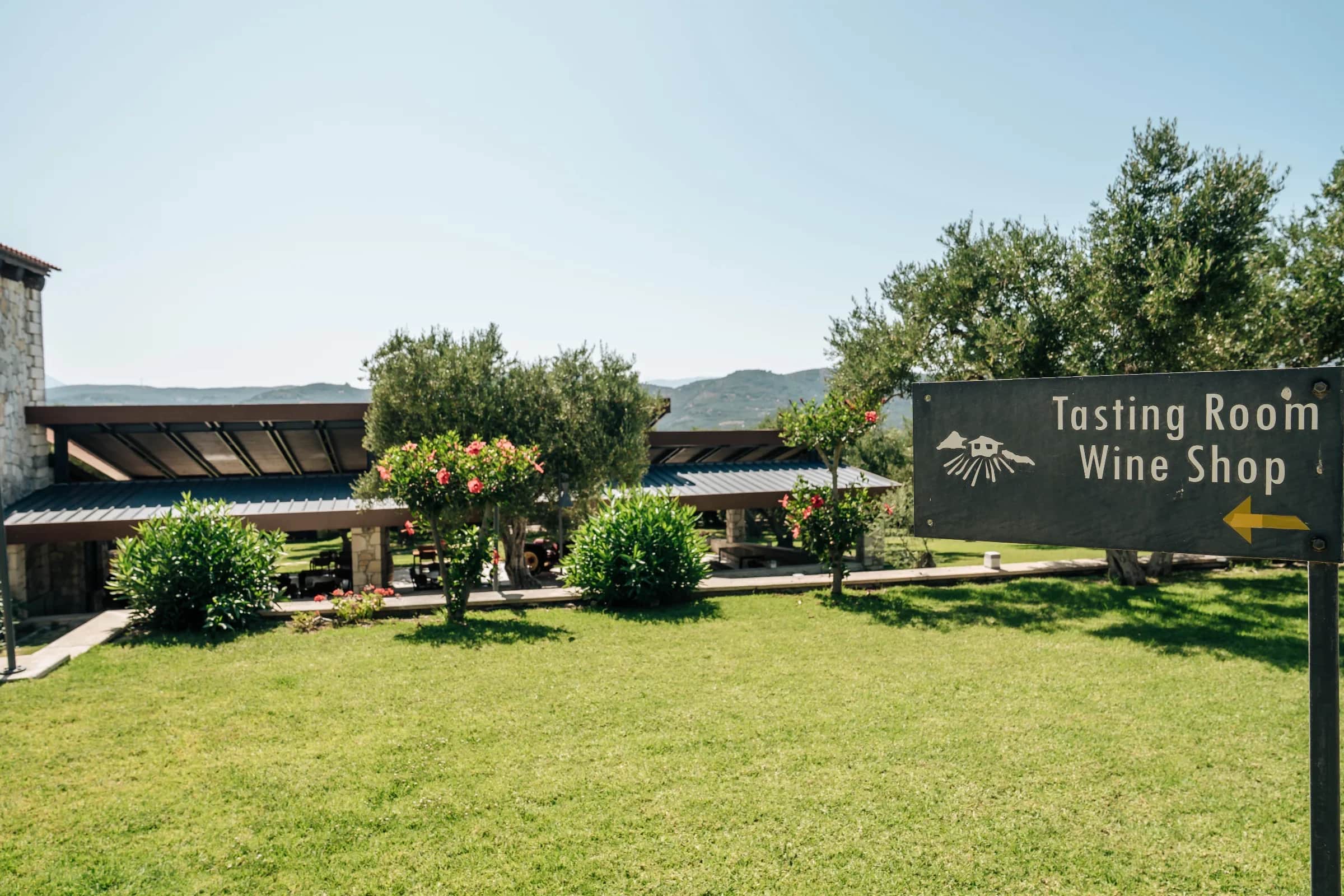
The clearest way to meet Liatiko is at a winery in the Dafnes area, where a host can pour a dry and a sweet version side by side and explain the difference — the private vineyard picnic at Dafnes (€69) does exactly that, among the vines. Ordering it by the glass at a taverna with a good Cretan list is another easy route, especially with a plate of lamb or local cheese. If you are visiting several estates on a wine day, ask specifically for Liatiko, since lists often lead with whites and the more famous blends. A guided wine day around Heraklion is another good option — see our Heraklion wine tours guide — since a knowledgeable host can point you to the estates that take Liatiko most seriously.
Common Mistakes to Avoid
A few simple errors get in the way of enjoying Liatiko. Judging it by colour is the most common: the pale ruby look leads some drinkers to expect something thin, when the aroma and flavour are anything but. Buying a sweet Liatiko by accident, expecting a dry red, is another, so always check the style. Serving it too warm flattens its freshness, while a slight chill brings out its best. And skipping it in favour of better-known Cretan blends means missing one of the island's most individual grapes — give it a fair hearing, on its own terms rather than against a heavy international red, and it usually wins people over.
Where to Stay
Staying near Heraklion or in the countryside toward Dafnes puts Liatiko country within easy reach, with the vineyards a short drive from the city and Knossos close by. A villa with a terrace suits this kind of trip, giving you space to open a dry Liatiko with dinner and keep a sweet bottle for afterwards. If you are drawn to the eastern expression of the grape, a base in the Lasithi region around Sitia brings those vineyards closer, though it is a quieter and more remote part of the island.
My Creta Villa — our own villa company — lists countryside and coastal villas around Heraklion, an easy drive from the Dafnes vineyards where Liatiko is at home.
Villas near the Dafnes vineyards
My Creta Villa — our own villa company
Liatiko wine: frequently asked questions
Is Liatiko wine red or sweet?
Both. Liatiko is a red grape made as a dry table red and also as a traditional sweet wine from sun-dried grapes. Always check the label or ask, since the two styles are very different — a dry Liatiko goes with a meal, a sweet one finishes it.
What does Liatiko taste like?
The dry style is light to medium bodied and aromatic, with red cherry, dried herbs and soft tannins, and is best served slightly cool. The sweet style is richer, with dried fruit and spice. Many drinkers compare the dry version to a lighter Pinot Noir.
Where is the best place to taste Liatiko?
The Dafnes appellation near Heraklion is its heartland — the dry red there is at least 80% Liatiko and the sweet wines are 100% Liatiko — and it is the easiest place to taste it, with more grown around Sitia in the east. Tasting it close to where it grows gives the freshest impression.
Should Liatiko be served chilled?
A light chill suits the dry style and brings out its freshness, which makes it a good red for warm weather. The sweet style is usually served cool as well, at the end of a meal.
How is Liatiko different from Vidiano?
They are Crete's two signature natives but opposite in colour: Vidiano is the flagship white — soft, stone-fruited — while Liatiko is the pale, aromatic red. Tasting one of each is the quickest way to understand the island's own grapes.
Final Thoughts
Liatiko wine is one of the quiet highlights of Cretan wine, a pale red with far more aroma and history than its colour suggests. Learn the difference between its dry and sweet styles, taste it near its home in Dafnes or out east in Sitia, and pair it with the island's herb-driven cooking. Do that, and a grape most visitors overlook will become one of the wines you remember from Crete — and for how it sits among the island's tastings, our best wine tasting in Crete guide ranks the lot.
See all wine experiences in Crete